The Cabo Pulmo Miracle: When Fishermen Became Guardians

Baja California Sur
Story: Rainbow Nelson
Photography: Red Mexico & Rainbow Nelson
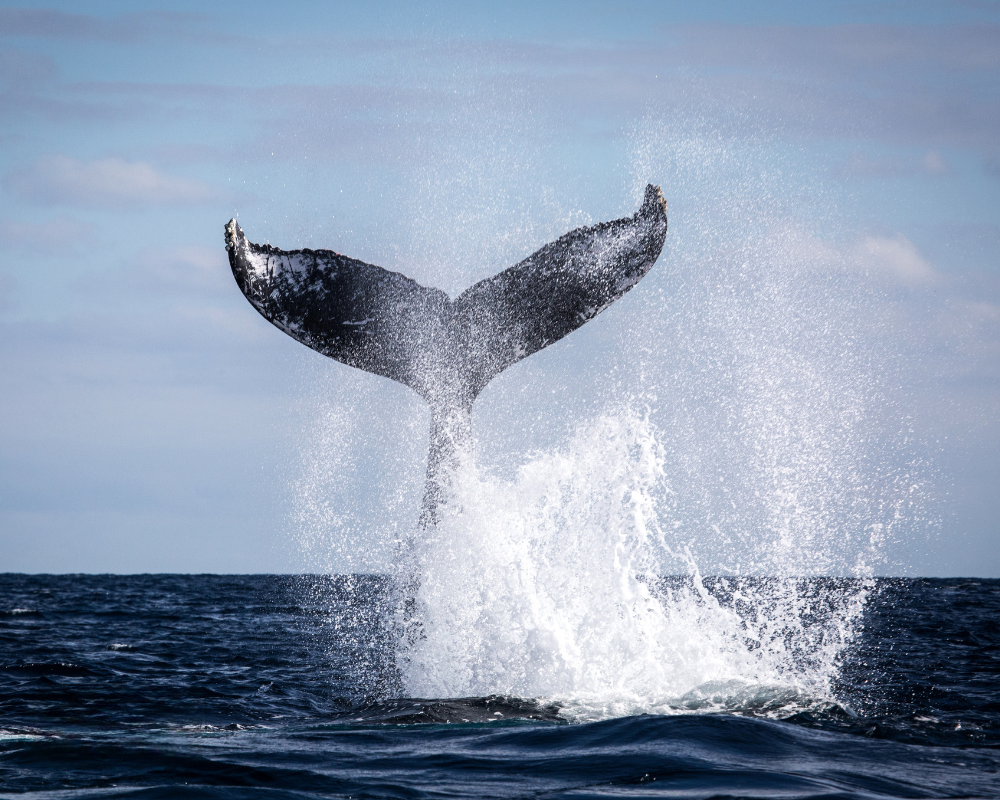
On the East Cape of Baja California Sur, where the Sea of Cortez meets the Pacific Plate's ancient rupture, a seven-by-nine-mile stretch of ocean holds proof that radical ecosystem restoration is not only possible — it is fast.
When National Geographic called it "the Baja Miracle," they were referring to something scientists thought would take three centuries: the full recovery of a depleted fishery. Cabo Pulmo did it in less than a decade.
The mechanism that made it possible was not technology. It was not external capital. It was children teaching their fathers about fish eggs.
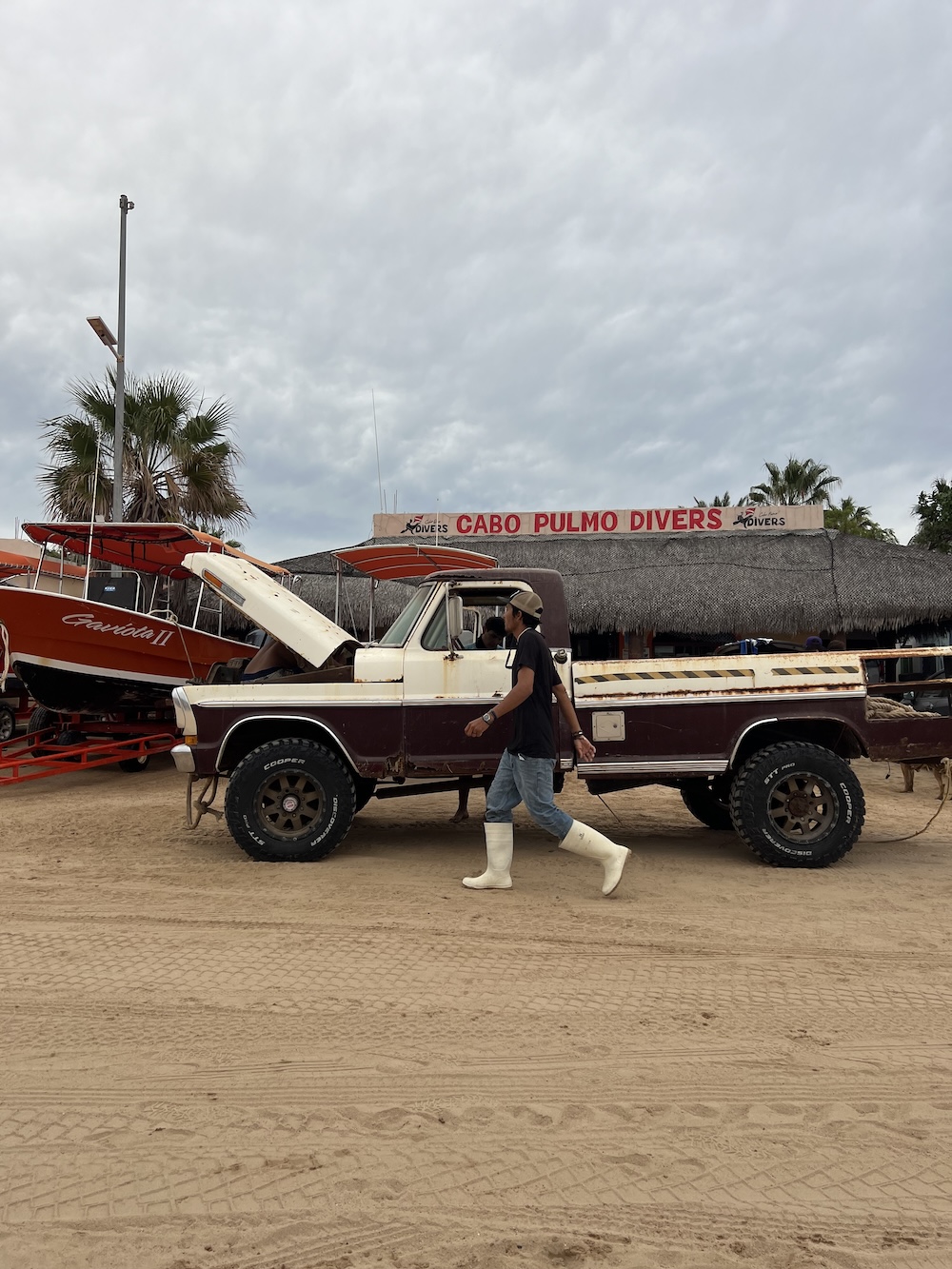
About fifteen years ago, a small fishing cooperative in Cabo Pulmo faced the same crisis confronting coastal communities across Mexico: their ocean was dying. Overfishing, illegal nets, long lines dragging the bottom — the familiar litany of extraction. The fishermen knew it. But knowing is not the same as changing.
What changed them was a chart on a classroom wall.
The chart showed two fish. One small, not yet at full maturity, laying perhaps 200,000 eggs. The other, allowed to reach full size, laying closer to four million. Simple arithmetic. Exponential consequences.
"They were teaching this to their father fishermen," says Donald Trent Jacobs — known by his Lakota name, Four Arrows — an American professor and writer who has spent decades working at the intersection of Indigenous worldview and ecological restoration. "And that kind of education really was a big part of it."
The strategy was borrowed from Curitiba, where mayor Jaime Lerner transformed a Brazilian city's waste management by teaching children to sing recycling songs. Get the kids on board, and the parents follow. It worked in Cabo Pulmo because the children carried the weight of the future — and their fathers could not ignore them.
Within two years of establishing the no-take zone, evidence of recovery was visible. Within seven years, the transformation made international headlines. Today, Cabo Pulmo supports five dive shops, all thriving. Tourists come to witness abundance. The fishermen who once worried they would starve without access to these waters now make their living from the fish that migrate beyond the sanctuary's borders — healthier, more numerous, worth waiting for.
It is, as Four Arrows calls it, a win-win situation. But getting there required confronting the oldest barrier to collective action: the fear that your neighbor will cheat.
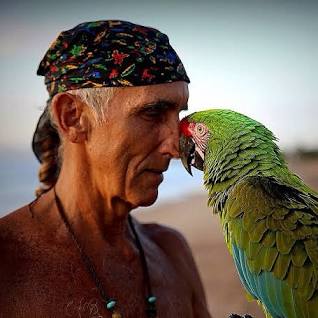
"The fishermen themselves have told me, I'll do it, but if I do it and my neighbor doesn't do it, they're going to get all the fish," says Four Arrows. "And that argument I heard over and over again."
This is the multipolar trap that stalls ecosystem restoration projects everywhere. No single fisherman can afford to stop fishing if others do not. The tragedy of the commons is not ignorance — it is rational self-interest in a system with no enforcement.
Cabo Pulmo succeeded because it was small. One fishing cooperative, not fourteen. A tight-knit community where collective commitment could hold. But the model does not scale automatically.
Four Arrows knows this from direct experience. Seven years ago, he launched a campaign to create Mexico's first marine sanctuary on the Pacific coast at Arroyo Seco, raising \$30,000 to bring the Cabo Pulmo fishermen south to share their story with fourteen different fishing cooperatives scattered up and down the Costa Alegre.
"I hired two fishermen and a lawyer who were involved with the Cabo Pulmo sanctuary and brought them to Arroyo Seco to talk to the fishermen," he says. The presentations worked — eventually. But the challenges were significant. Financial constraints meant Mexico's environmental protection agency, PROFEPA, lacked the resources to enforce regulations. Sports fishermen from wealthy resorts declared that "nobody's going to tell me I can't catch fish anywhere I want." Subsistence fishermen, scraping by, said the same thing for different reasons.
Yet the seed took root. The education program that preceded the Cabo Pulmo delegation — children learning about fish reproduction, teaching their parents — created the conditions for change. The fishermen signed on. The no-take zone was established. And now, the model is spreading.
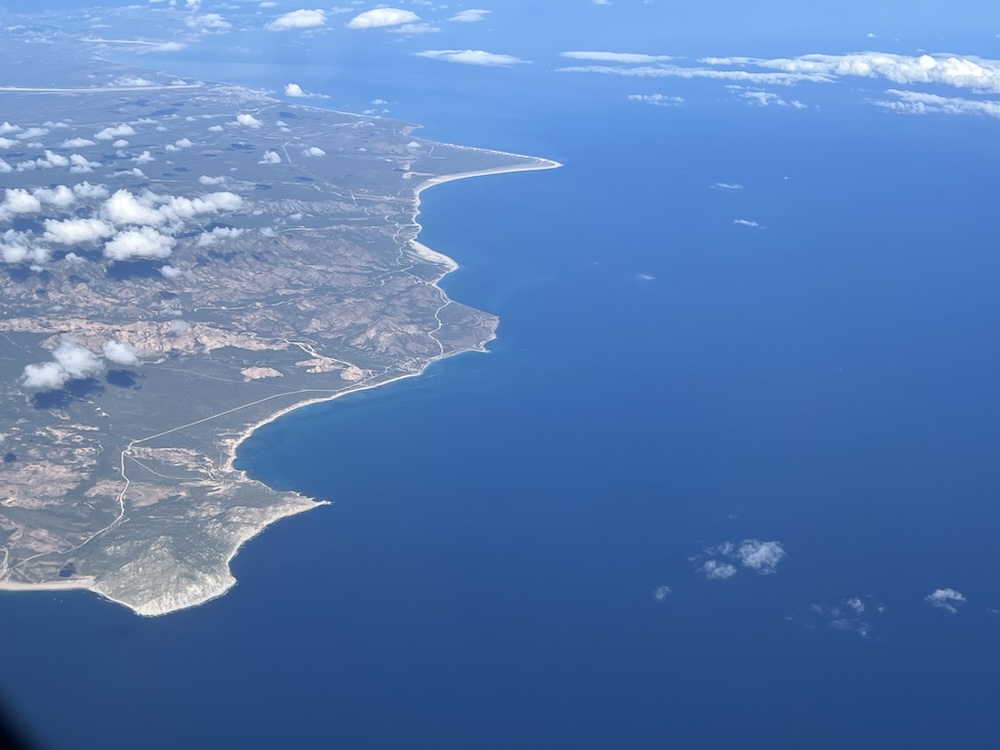
Four Arrows was recently invited to join a larger initiative called Ridge to Reef, a network of marine sanctuaries designed to stretch from Arroyo Seco to Chalacatepec. The project is backed by actor Richard Gere and a coalition from Santa Barbara, including Stephanie Brendl, known as the Shark Woman for her work protecting sharks.
The concept is ecological connectivity. Instead of isolated protected zones, Ridge to Reef aims to create a chain of nurseries where fish can migrate between them, maintaining genetic diversity and resilience across the entire Costa Alegre. It is ambitious. It is expensive. And it depends on the same principle that made Cabo Pulmo work: getting everyone — wealthy resort owners, subsistence fishermen, sport anglers, local communities — to see themselves as part of the same living system.
"The goals that we have are that it's got to be a heart matter," says Four Arrows. "People have to start caring for each other."
This is where the project diverges from conventional conservation. Ridge to Reef is not framed as restriction. It is framed as relationship. The first structures built were not luxury hotels — they were a world-class skate park and facilities for children. The messaging emphasizes sustainability in every sentence. The vision is non-resort resort tourism, where visitors come not to consume but to participate in restoration.
Gere himself, a Zen Buddhist who has spent decades traveling the world supporting community-led projects, is clear that this is not about wealth accumulation. It is about demonstrating that another model is possible.
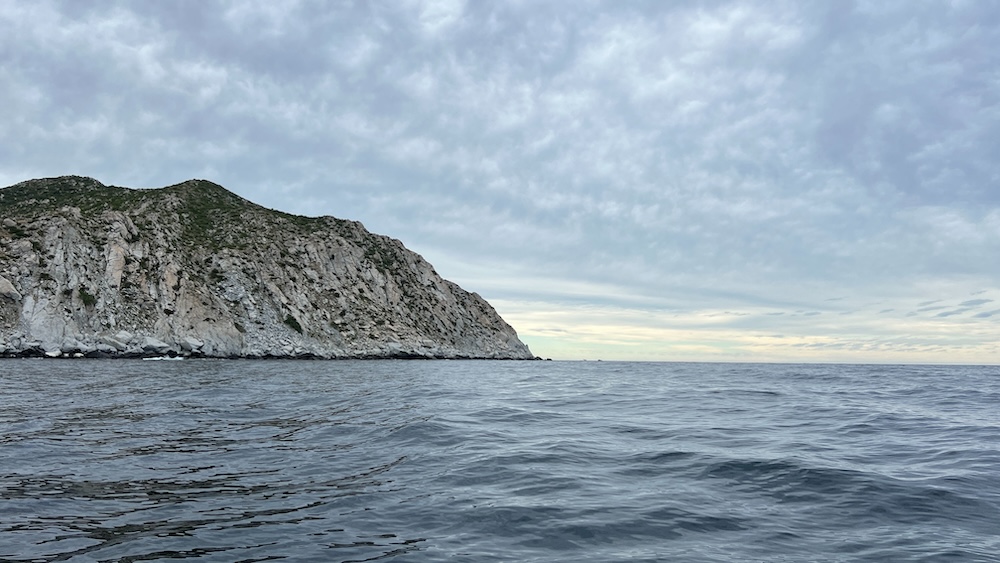
Four Arrows tells a story about convincing a wealthy beach-home owner to donate to the Arroyo Seco sanctuary. They went out on stand-up paddleboards to the island where brown pelicans nest in trees. On the way back, the man agreed to contribute \$2,000 — not for the ocean, but for the people of Arroyo Seco, who he felt deserved the economic benefits.
"I said, well, I'm glad you want to help the people, but do this for the fish also, and for the creatures of the ocean," Four Arrows recalls.
Before the man could respond — before he could laugh it off or dismiss the idea — two five-foot Dorados, gleaming phosphorescent in the shallow water, swam directly between their boards. Fins broke the surface. The fish passed through and disappeared.
"And I just said, naturally, you see what I mean?" says Four Arrows. "As if they had listened to me."
The man doubled his check. To this day, he tells the story to everyone he meets.
It is not mysticism. It is observation. The living world responds to attention. The question is whether we are paying it.
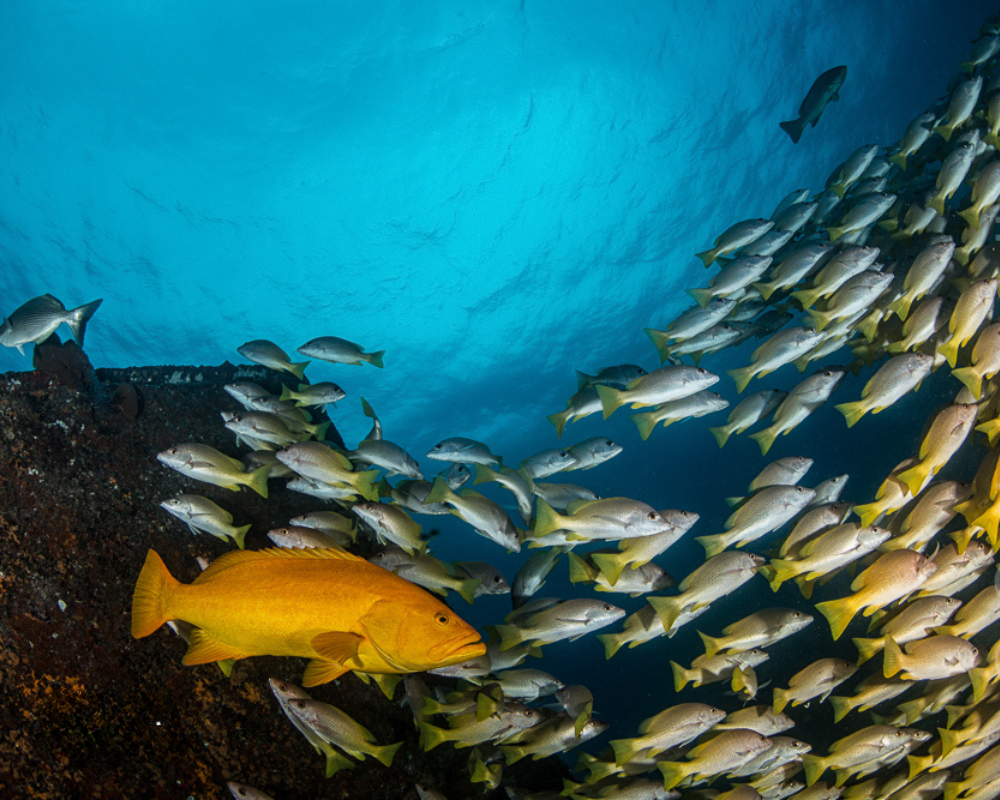
Cabo Pulmo proved that collapsed fisheries can recover in under a decade when extraction stops and life is given space to regenerate. The model is replicable. It has already been replicated — imperfectly, incompletely, but with enough success to justify expansion.
The children who learned about fish eggs are now adults. Some have become dive masters, guiding tourists through waters they remember as barren. Others are teaching the next generation. The knowledge is generational now, not imposed from outside.
This is the pattern that systems change requires: not top-down mandates, but community-led transformation where the benefits are visible, the costs are shared, and the children carry the story forward.
"It took them a good two years to get the permissions," says Four Arrows. "And then once they established the no-take zone, the evidence for its working was about two years also. And then of course, after seven years, the amount of change was so significant, it made international headlines."
The timeline matters. Four years from initiation to proof of concept. Seven years to transformation. Fast enough that the fishermen who made the sacrifice are still alive to see the results. Fast enough that the children who taught them are still young.
The Cabo Pulmo miracle is not that the ocean recovered. It is that humans chose to let it.
Restoring the Kinship Worldview: A book by Four Arrows.
Organize a Learning Journey to Cabo Pulmo with Red Travel Mexico
The Cabo Pulmo Miracle: When Fishermen Became Guardians
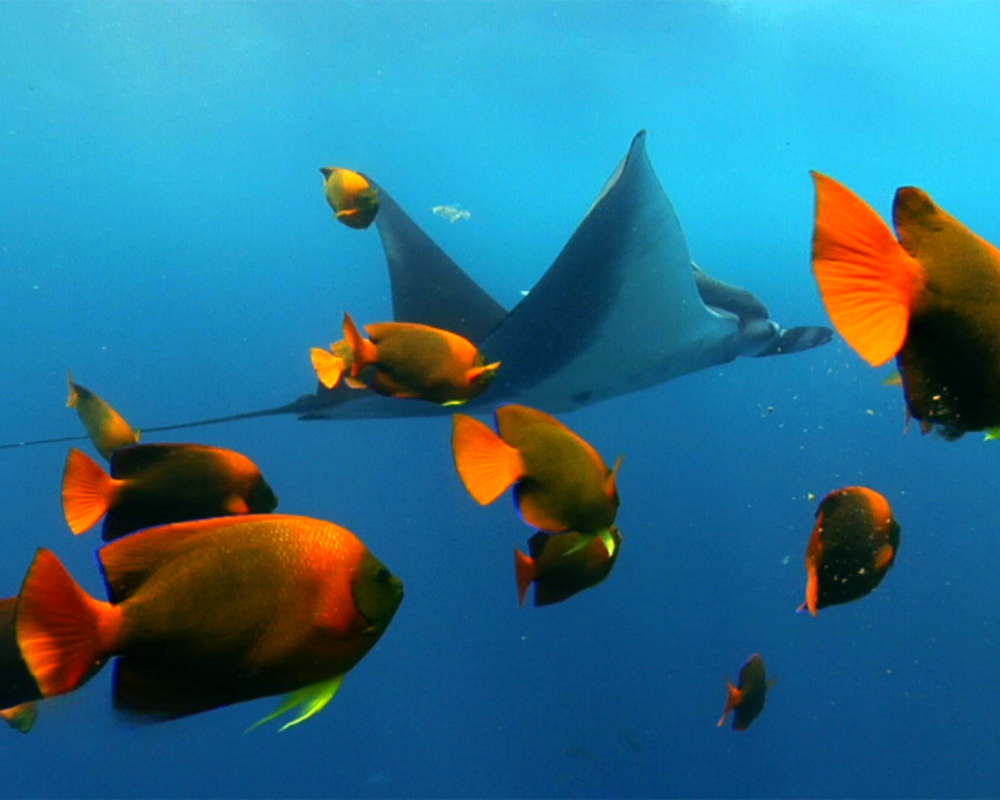
Listening to the landscape, learning from nature