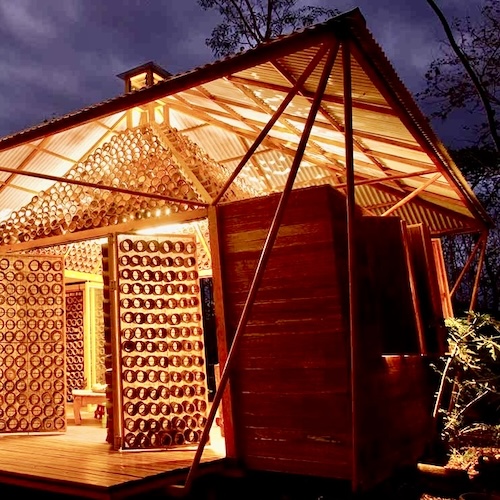
Organ Pipe Cactus

Baja California Sur
Accession Count: 11
Common Name: organ pipe cactus
Family Name: Cactaceae
Botanical Name: Stenocereus thurberi
Sub Species:
Variety:
Forma:
Cultivar:
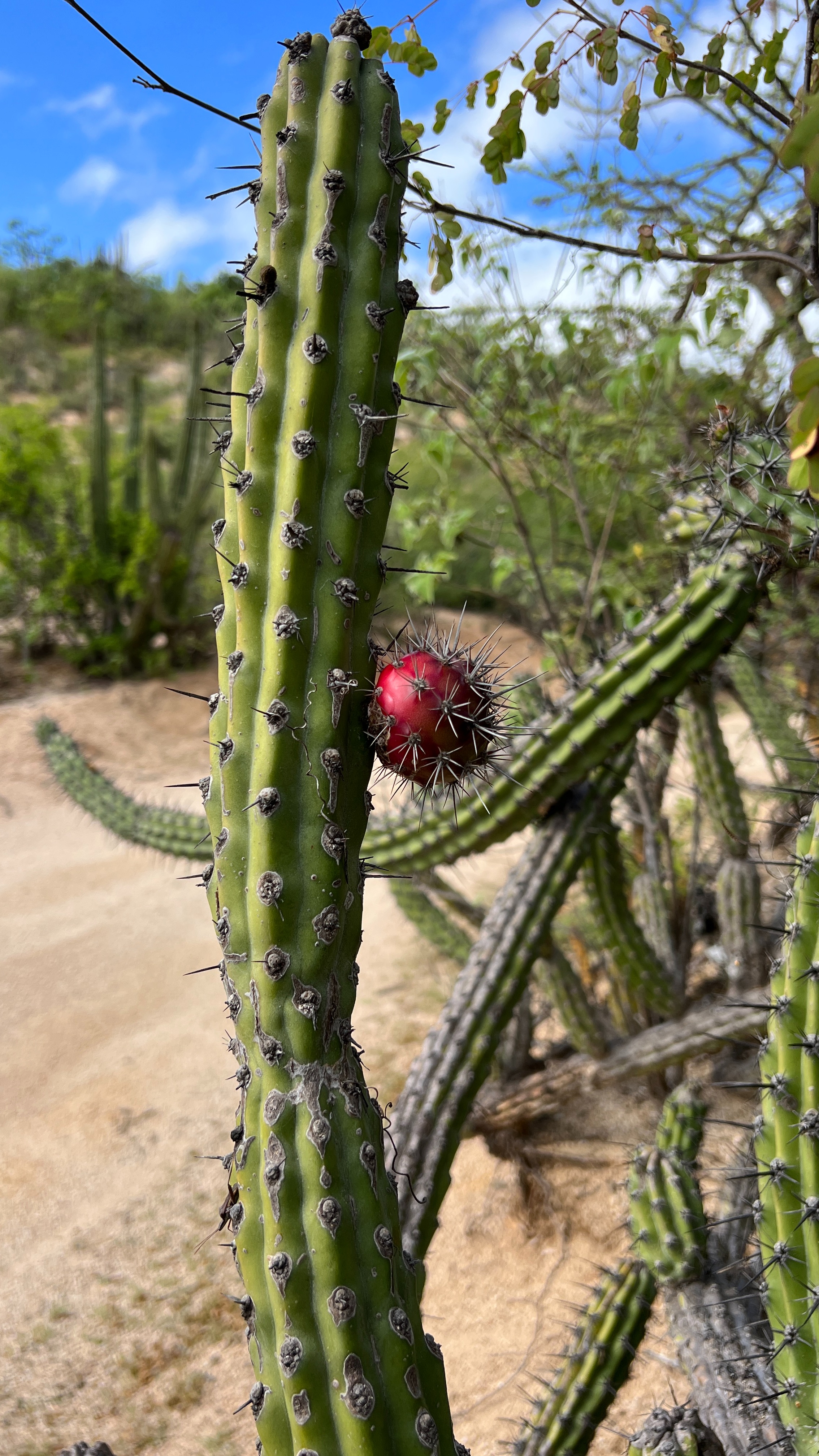
Characteristics: The slow growing Stenocereus thurberi, also known as the organ pipe cactus, can grow up to fifteen feet high and twelve feet wide. Its olive-green columns are branched at the base of the plant, and have thorned ribs that run the length of branch (1). It is not until the plant reaches around 35 years old that in the late spring and early summer, the organ pipe cactus blooms creamy white flowers, only open during the night into the early morning (1,2). They also produce red fruits that split when mature, just before the summer rains (2). Its peculiar shape loosely resembles the clustered pipes of a pipe organ.
Compound: Ste thu
Geographic Origin: Northwestern Mexico
Ecozone Origin: Nearctic
Biome Origin:
Natural History: In Mexico, the plant is called pitayo dulce, meaning "sweet cactus" in reference to the edible fruit. The organ pipe cactus is sensitive to cold, as its range is limited by frost and freezing temperatures. It originates from the warm dry tropics of Mexico and has migrated north to the Sonoran Desert in Arizona. S. thurberi grows mainly around and within Organ Pipe Cactus National Park, but a few isolated individuals have been discovered growing naturally elsewhere in the state, and in northern regions of Mexico (1,2).
Cultivation Notes: The organ pipe cactus is a semi-hardy plant, only able to withstand temperatures as low as 25oF. New growth is especially vulnerable to cold weather (1). The bumps or waves found on the columns are a result of fighting against cold temperatures (2). S. thurberi does not need regular watering, but doing so in the summer can add an additional foot of growth per year. Placing an organ pipe cactus in full sun is best for growth as well (1).
Ethnobotany: Tohono O'odham have harvested the fruits for centuries. Extremely sweet and juicy, the fruits have a flavor that is similar to watermelon. They can be prepared in many ways to make jams, fruit leather, syrups, juice and wine. The mashed seeds of the fruit produce an oily paste that can be used similarly to butter. The Seri used the cortex and pith of the dry cactus mixed with animal fat to make a tar-like caulking compound, often used on boats. Ribs from the organ pipe were used to make cooking utensils, torches, fuel, hunting shelters, and for the framework of various forms of houses (3).
The best landscape use for the organ pipe cactus is for individual display in transition and outer zone landscapes. The cactus requires little to no maintenance (1).
Height: 16 - 20 feet
Width: 11 - 15 feet
Growth Rate: Slow Growing
Grow Season: Summer
Flower Season: Spring
Color: White
Function:
Spread: Non-spreading
Allergen: Non-allergenic
Invasive: Benign
Toxicity: Benign
Hardy: Semi-hardy
Water Use: Low water Use
Citations:1. Anderson, Edward F. The Cactus Family. 1st ed., Timber Press Incorporated, 2001.
3. Felger & M.B. Moser. 1985, reprinted 1991, 2016. People of the Desert and Sea: Ethnobotany of the Seri Indians. University of Arizona Press, Tucson. 480 pages.
Organ Pipe Cactus
Listening to the landscape, learning from nature